A Pre-Freeze Home Checklist for Tennessee Homeowners
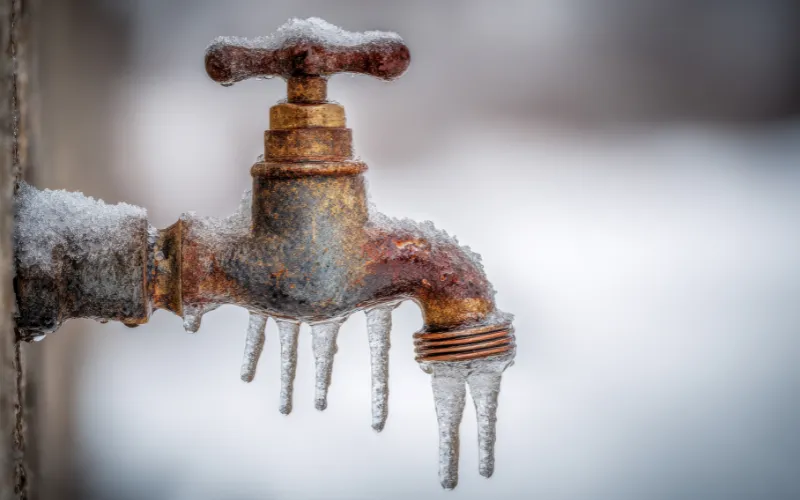
When temperatures drop (especially in the MidSouth), your home’s plumbing system faces risks that many homeowners overlook until it’s too late. While we don’t experience the prolonged freezes of northern states, our occasional dips can cause serious damage to unprepared homes. A burst pipe can result in thousands of dollars in water damage, disrupted daily routines, and emergency repair bills that could have been easily prevented.
At CrewPros Home Services and Remodeling, we’ve helped countless Collierville and Memphis-area families recover from freeze-related plumbing disasters. More importantly, we’ve helped many more avoid them entirely. Use the following pre-freeze home checklist to ensure your home is good to go this winter.
Why Pipes Are Especially Vulnerable
You might think freeze damage mainly affects homes in colder climates, but Memphis and Nashville homeowners face a unique challenge. Our moderate climate means many homes weren’t built with extreme cold in mind. Pipes in exterior walls, unheated crawl spaces, and garages often lack adequate insulation. When a hard freeze hits, these vulnerable pipes can freeze and burst within hours.
Your Pre-Freeze Home Checklist
Insulate Exposed Pipes
Walk through your home and identify any exposed plumbing in vulnerable areas like your garage, attic, crawl space, and exterior walls. Foam pipe insulation is inexpensive and available at any hardware store. Pay special attention to pipes on exterior walls in bathrooms and kitchens.
Seal Gaps and Cracks
Cold air infiltration is often the culprit behind frozen pipes. Inspect areas where pipes enter your home from outside, looking for gaps around utility lines, air conditioning connections, and foundation. Check your crawl space vents as well, while you don’t want to seal them permanently, covering them temporarily during a hard freeze can prevent frigid air from reaching your pipes.
Disconnect and Drain Outdoor Faucets
Your outdoor spigots and garden hoses are among the most vulnerable points in your plumbing system. Disconnect all garden hoses and drain them completely before storing them for winter. Turn off the interior shut-off valve that supplies your outdoor faucets, then open the outside faucet to allow any remaining water to drain out.
Service Your Water Heater
Winter is when your water heater works its hardest. Schedule a professional inspection from CrewPros and flush to remove sediment buildup that reduces efficiency and can lead to premature failure.
Know Your Main Water Shut-Off Location
Every family member should know where your main water shut-off valve is located and how to operate it. In the event of a burst pipe, shutting off the water quickly can be the difference between minor and catastrophic damage. Test the valve now to make sure it’s operational, valves that haven’t been turned in years can seize up when you need them most.
Prepare Your Sump Pump
If you have a basement or crawl space with a sump pump, verify it’s working correctly before winter arrives. Pour water into the sump pit to trigger the pump and confirm it’s draining properly. Consider installing a battery backup system to keep your sump pump operational during winter power outages, which often accompany ice storms in our area.
When the Forecast Calls for Freezing Temperatures
Once you’ve completed your pre-winter preparations, you’ll still need to take additional precautions when an actual freeze is forecast. Here’s what to do when temperatures are expected to drop into the danger zone:
- Let Faucets Drip: Allow both hot and cold water to drip from faucets connected to vulnerable pipes. Even a small trickle helps prevent freezing by keeping water moving through the pipes and releasing pressure if ice does form.
- Open Cabinet Doors: Kitchen and bathroom cabinets on exterior walls trap cold air around your pipes. Opening these doors allows warm air from your home to circulate around the plumbing, providing crucial protection.
- Maintain Consistent Indoor Temperature: Resist the temptation to lower your thermostat significantly at night or when you’re away. Keeping your home at a steady temperature, even while you’re sleeping or out of town, provides continuous protection for your pipes. If you’re leaving town during winter, never set your thermostat below 55°F.
- Close Your Garage Door: If you have water supply lines in your garage, keep the garage door closed to trap warmer air inside. This simple step can prevent frozen pipes that serve outdoor hose connections or utility sinks.
What to Do If Your Pipes Freeze
Despite your best efforts, a pipe might still freeze during an extreme cold snap. If you turn on a faucet and only a trickle comes out, you likely have a frozen pipe. Here’s what to do:
Keep the faucet open so that as the pipe thaws, water can flow through and help melt the ice blockage faster. If you can’t locate the frozen area, if the frozen pipe is inside a wall, call CrewPros immediately. Our emergency plumbing services are available when you need them most, and addressing a frozen pipe quickly can prevent it from bursting.
Let CrewPros Help Protect Your Investment
Don’t wait until the forecast calls for a hard freeze to think about your pipes. Contact CrewPros today to schedule a pre-winter plumbing inspection or to discuss any concerns you have about your home’s readiness for cold weather. For emergency services, use extension 113 when calling.
*Please note that plumbing and emergency plumbing services are available for Memphis-area customers only. These services are not yet available at our Nashville branch.